The Chelsea at West Orange
New Community
West Orange, New Jersey, offers a rich blend of history, natural beauty, and residential charm, making it an ideal setting for The Chelsea at West Orange. Known for its tree-lined streets and thoughtfully planned neighborhoods, the township has long been a destination for those seeking a serene, community-focused lifestyle.
The Chelsea at West Orange’s footprint was shaped by both regulatory constraints and a desire to create a building that felt residential, familiar, and integrated into its surroundings. Early in the process, the design team studied the scale and character of nearby homes, historic institutions, and civic buildings to understand the architectural language of the area. Influences ranged from stately residences and libraries to the industrial heritage of Thomas Edison’s buildings, all of which informed a design rooted in local context rather than stylistic novelty.
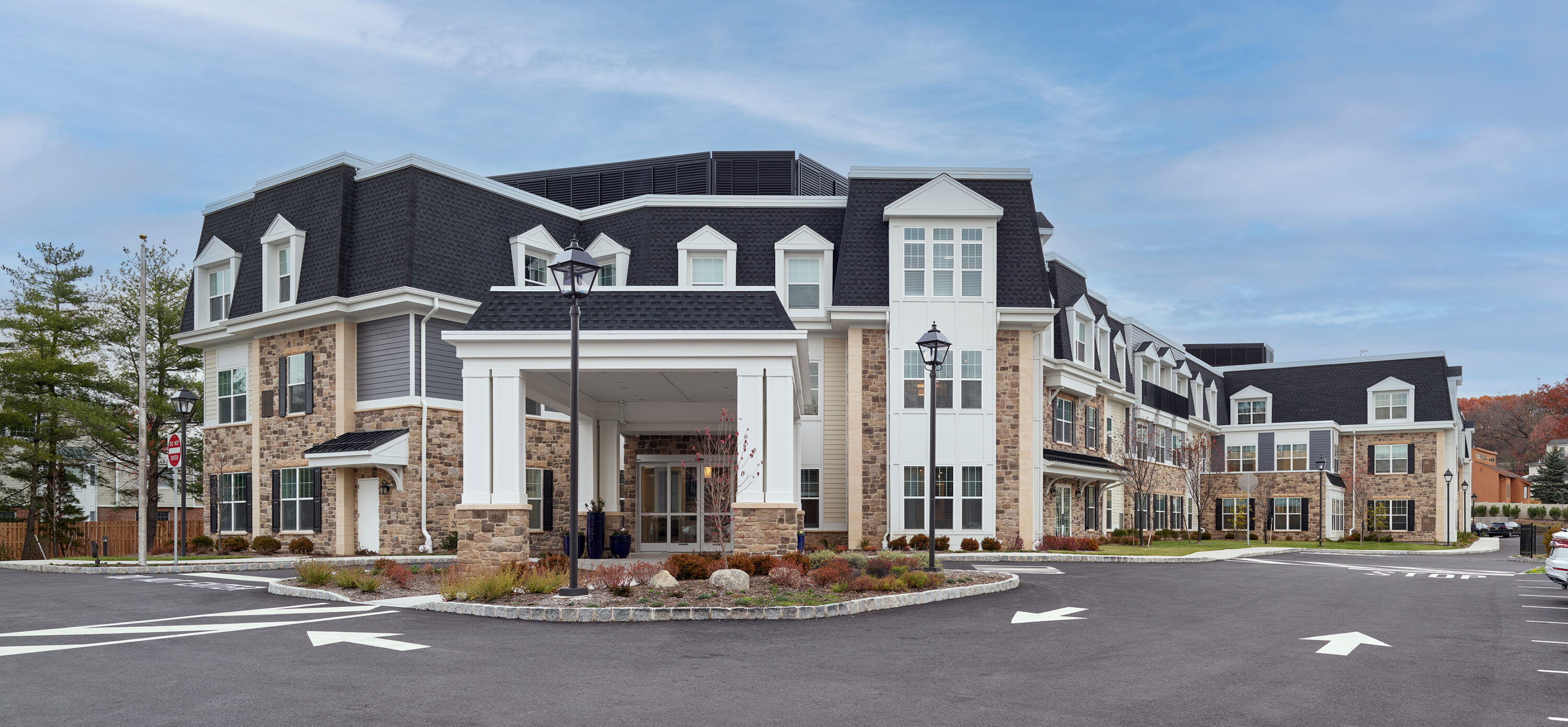
A contemporary interpretation of Second Empire architecture emerged as a natural solution to the site’s height limitations. The mansard roof allows the building to comfortably accommodate a third story while visually reducing its overall mass, helping the structure remain in scale with adjacent residential neighborhoods.
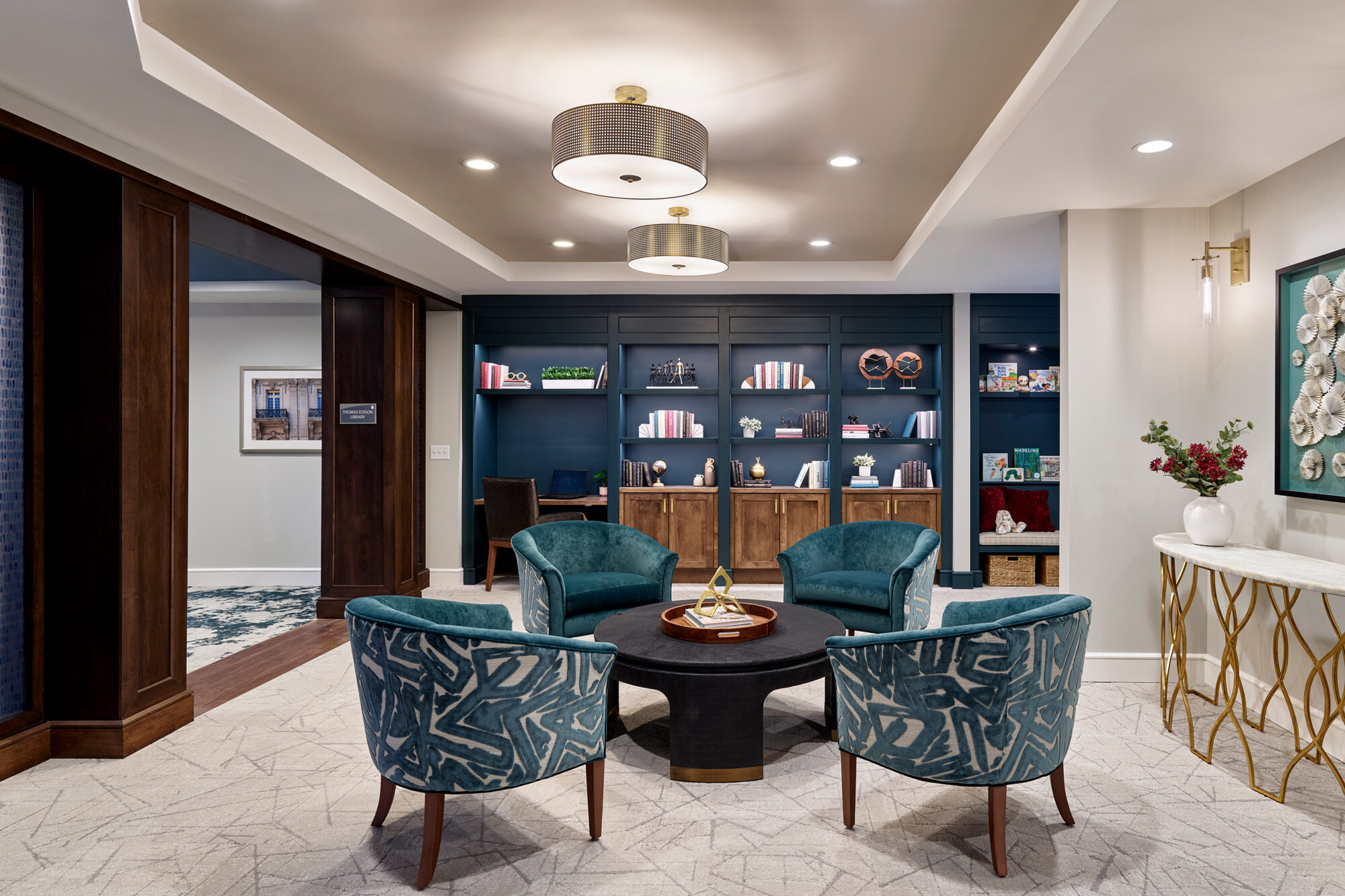
Material selections, including stone, horizontal siding, and stained wood accents, reinforce this balance between tradition and modernity. The façades are carefully articulated with vertical material changes, projecting elements, and subtle variations to break down the elevations and minimize the building’s perceived size. A light-filled entrance tower serves as both a visual landmark and a welcoming interior space, housing the library and reinforcing the building’s residential character.
The Chelsea at West Orange occupies a long, narrow site previously home to a catering facility, presenting both physical and regulatory challenges. Originally developed as the Cabana Club in 1954, the property later evolved into The Atrium, a special event destination. Following the closing of The Atrium, the site was ultimately acquired by Capitol Seniors Housing, offering an opportunity to reimagine a well-known location as a new residential community.
Selected by Capitol Seniors Housing for its strong connection to the surrounding neighborhood, the site required a thoughtful approach to demolition, zoning compliance, and community coordination. The design team worked closely with the Township of West Orange and adjacent neighbors to address concerns and build consensus throughout the approval process.
Zoning restrictions limited the building to three stories, necessitating a residential variance and a massing strategy that fit within the surrounding residential fabric. The site’s shallow depth influenced parking and circulation, resulting in an end-entry condition that required an efficient, carefully coordinated layout. Working directly with the civil engineer, the team developed a streamlined plan that maximized parking and circulation despite site constraints. Internally, common amenities are centrally located around the elevators to minimize walking distances, supporting ease of movement and everyday comfort for residents.
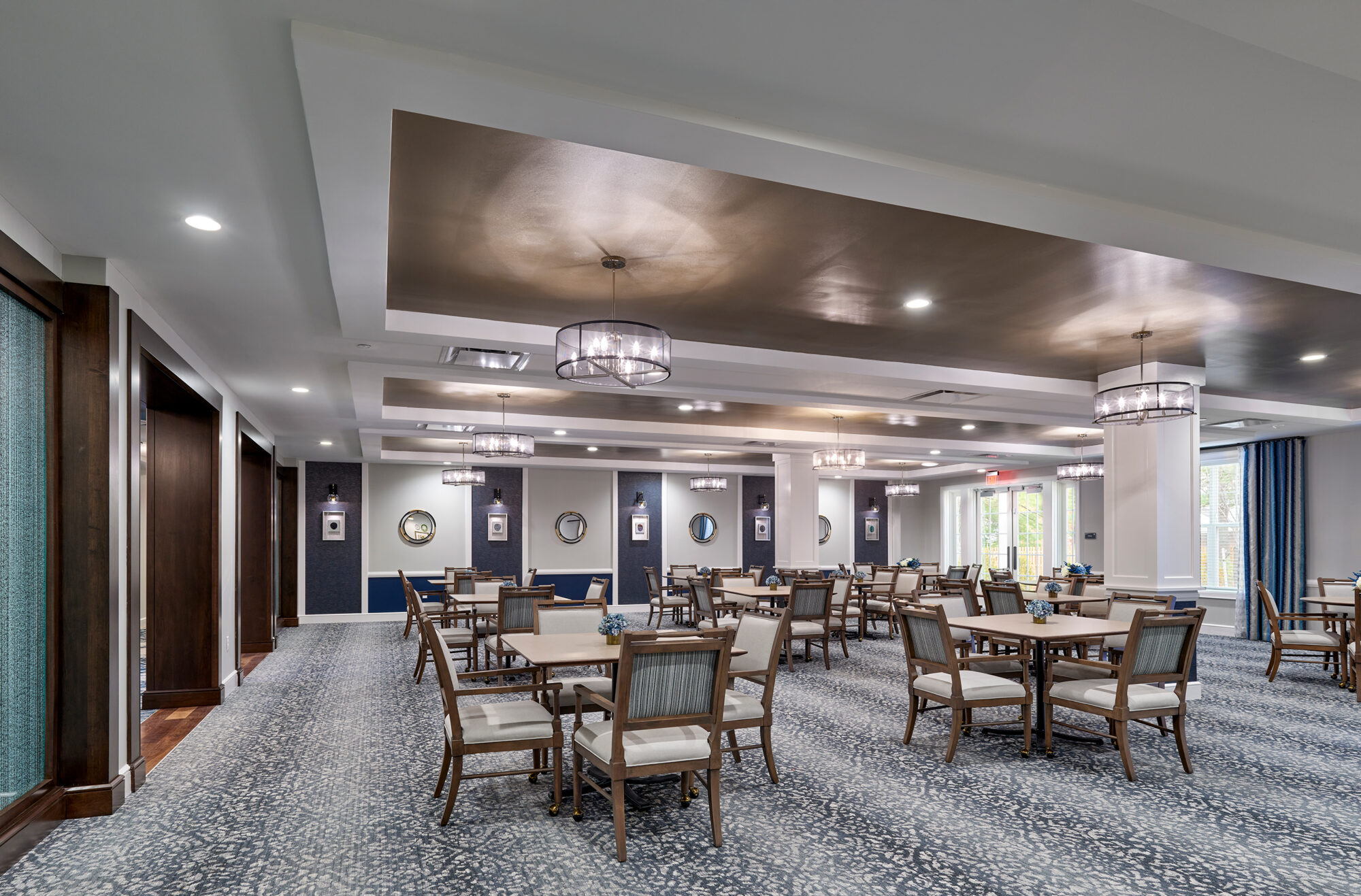
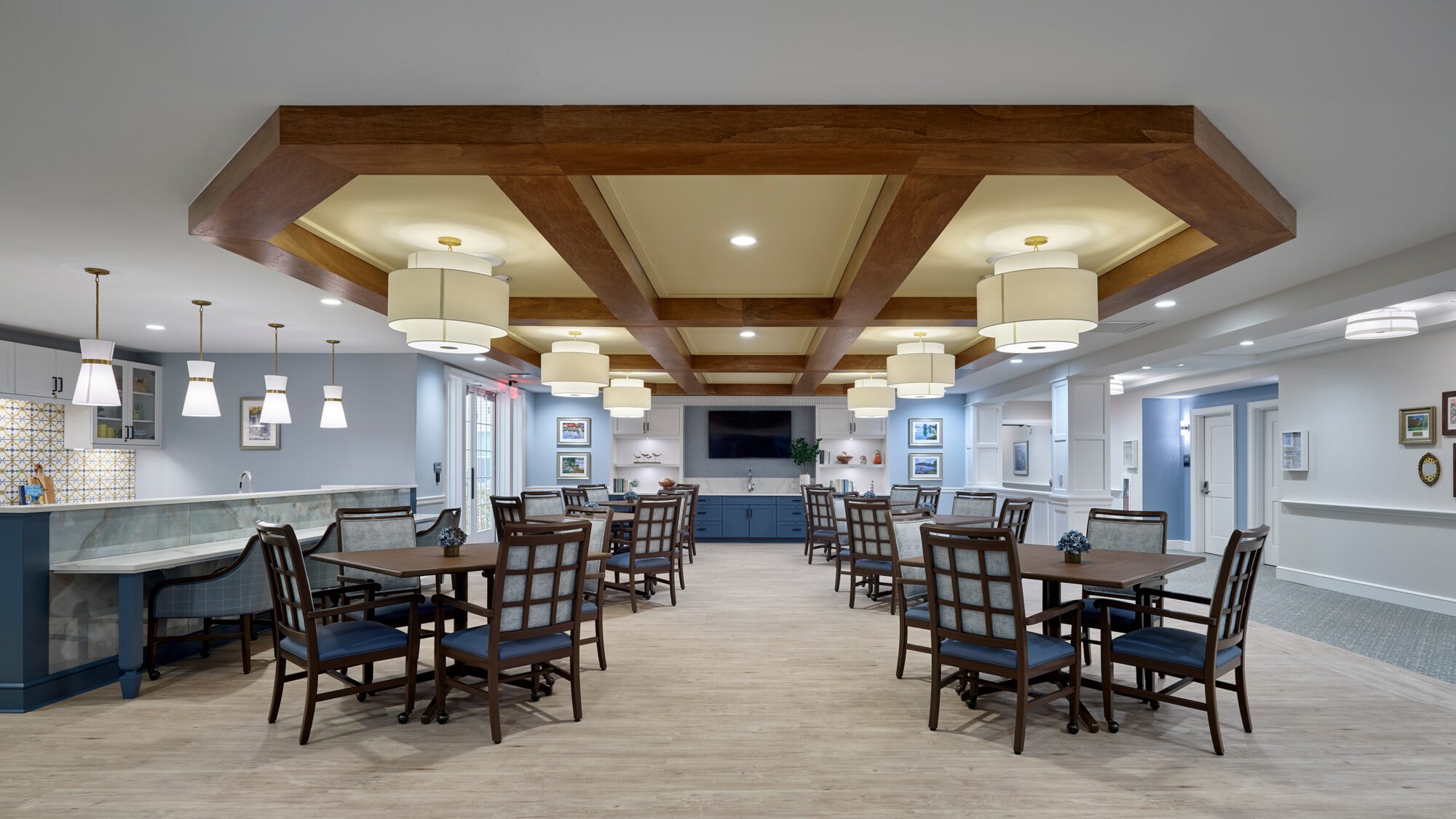
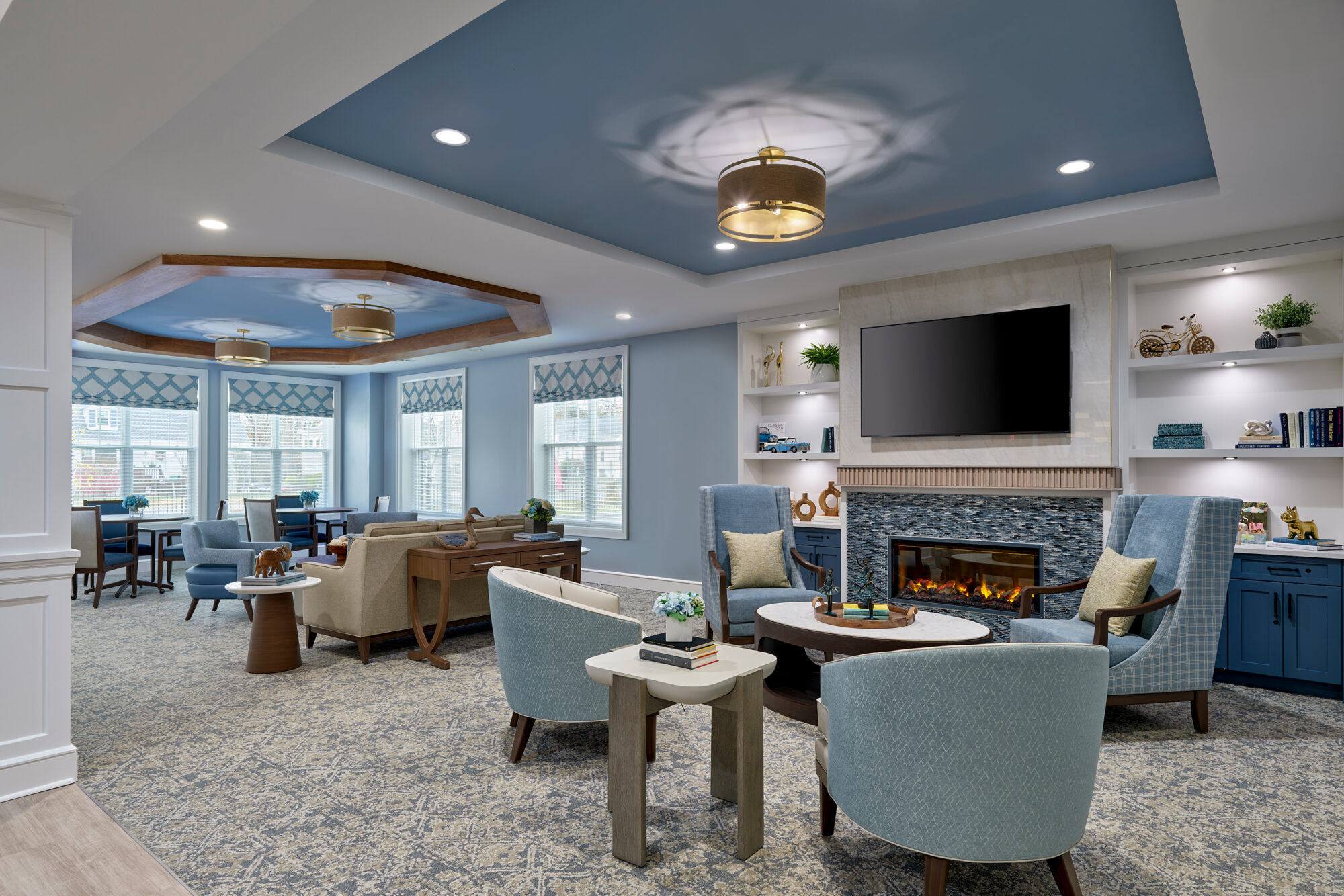
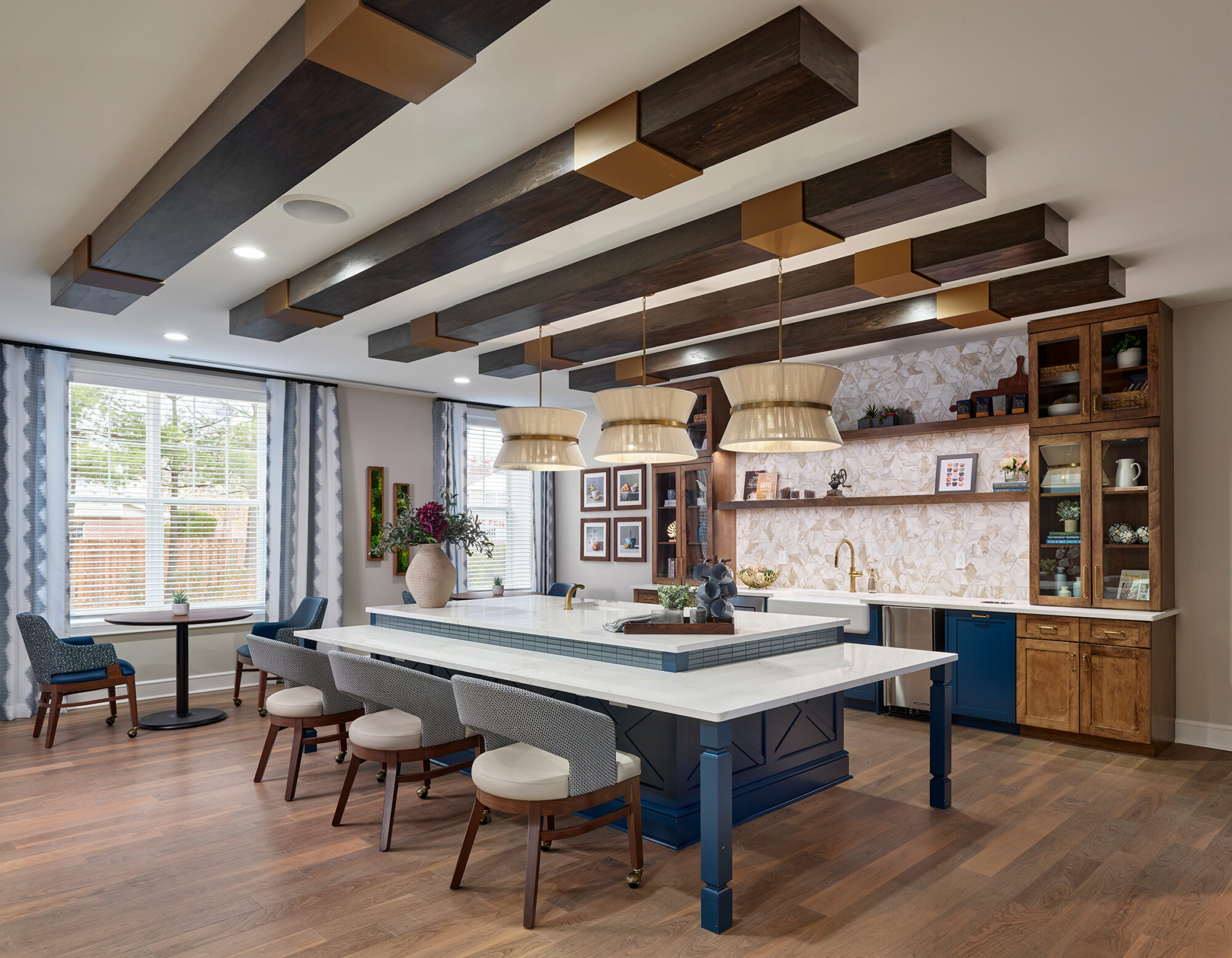
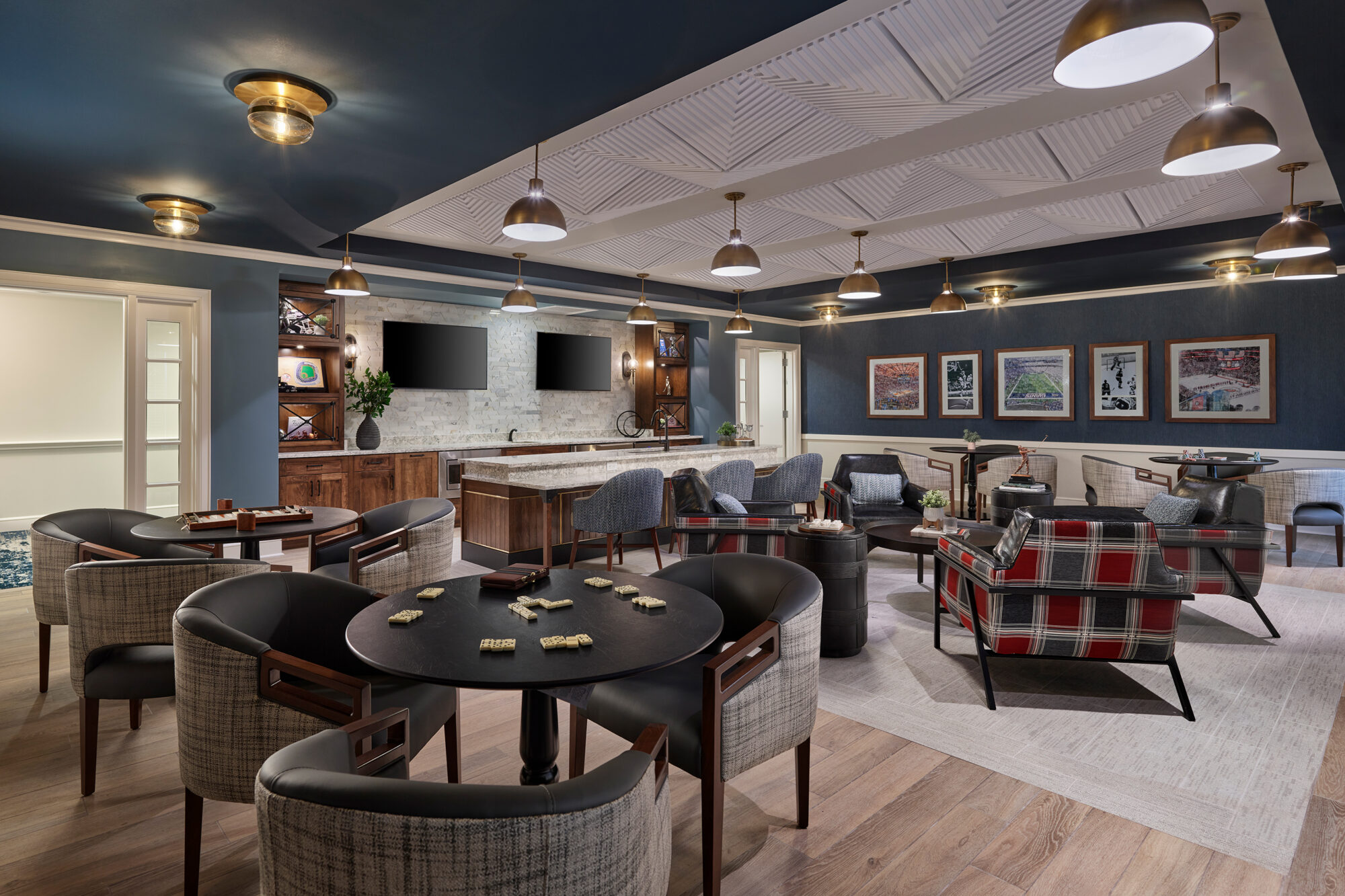
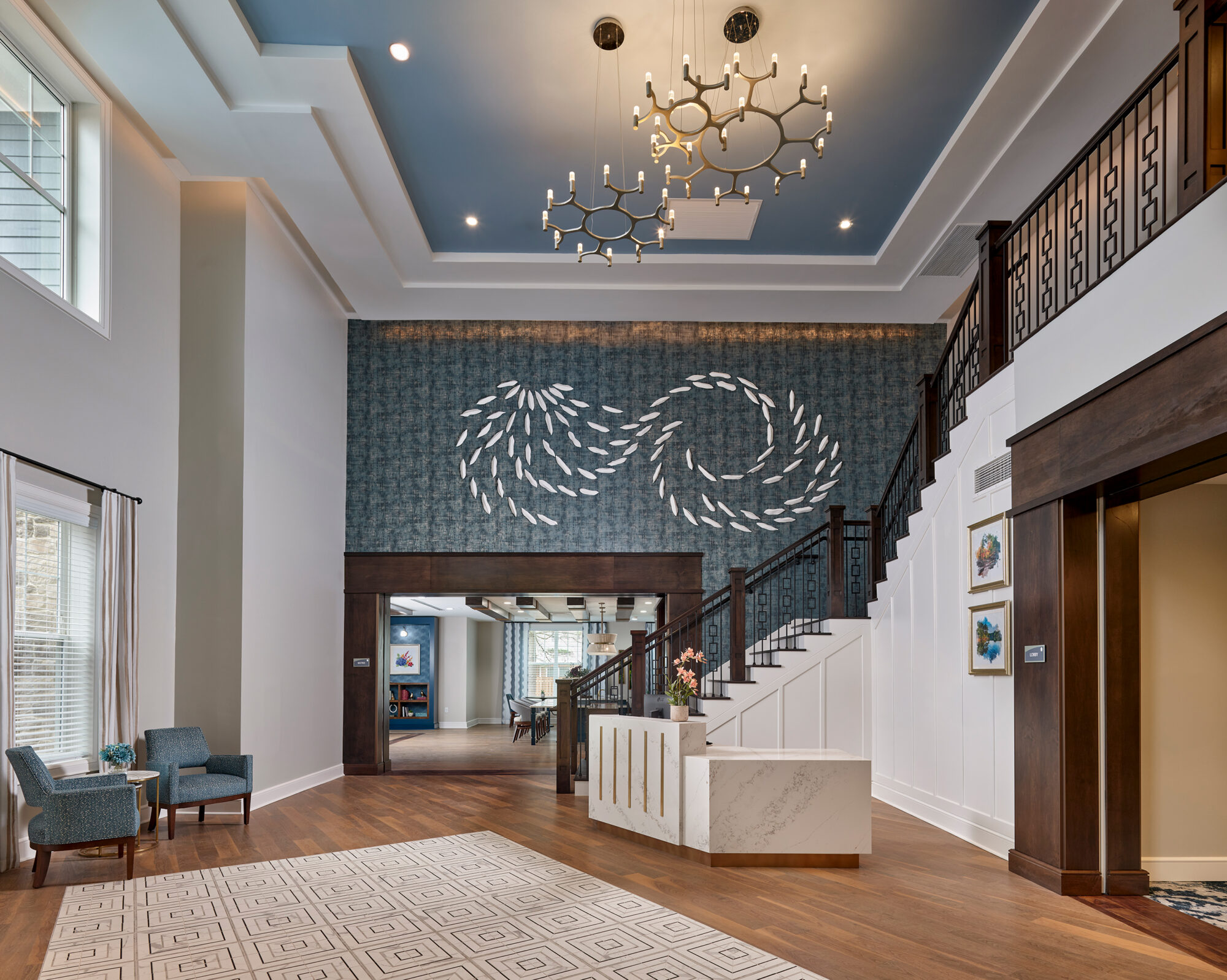
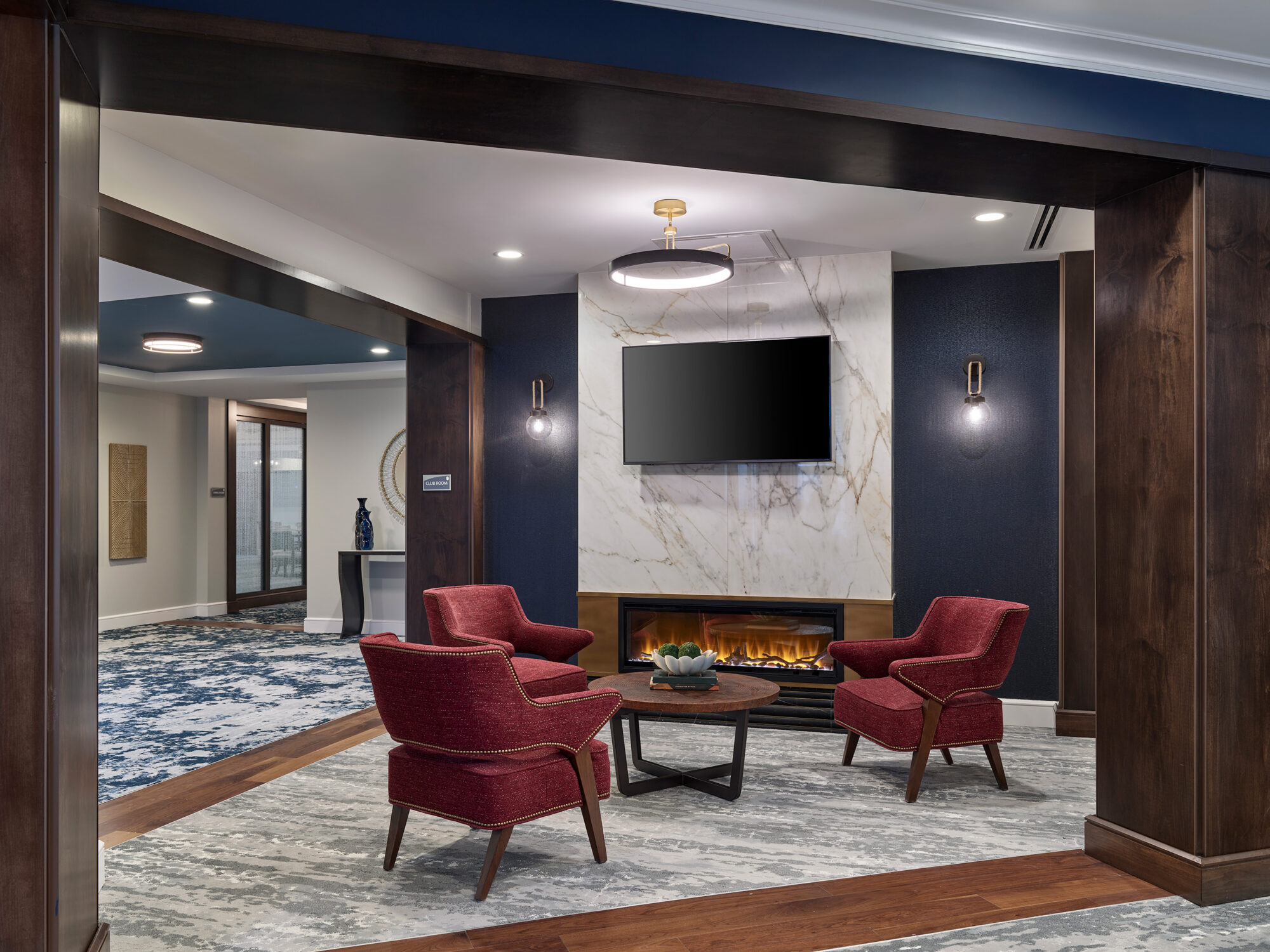
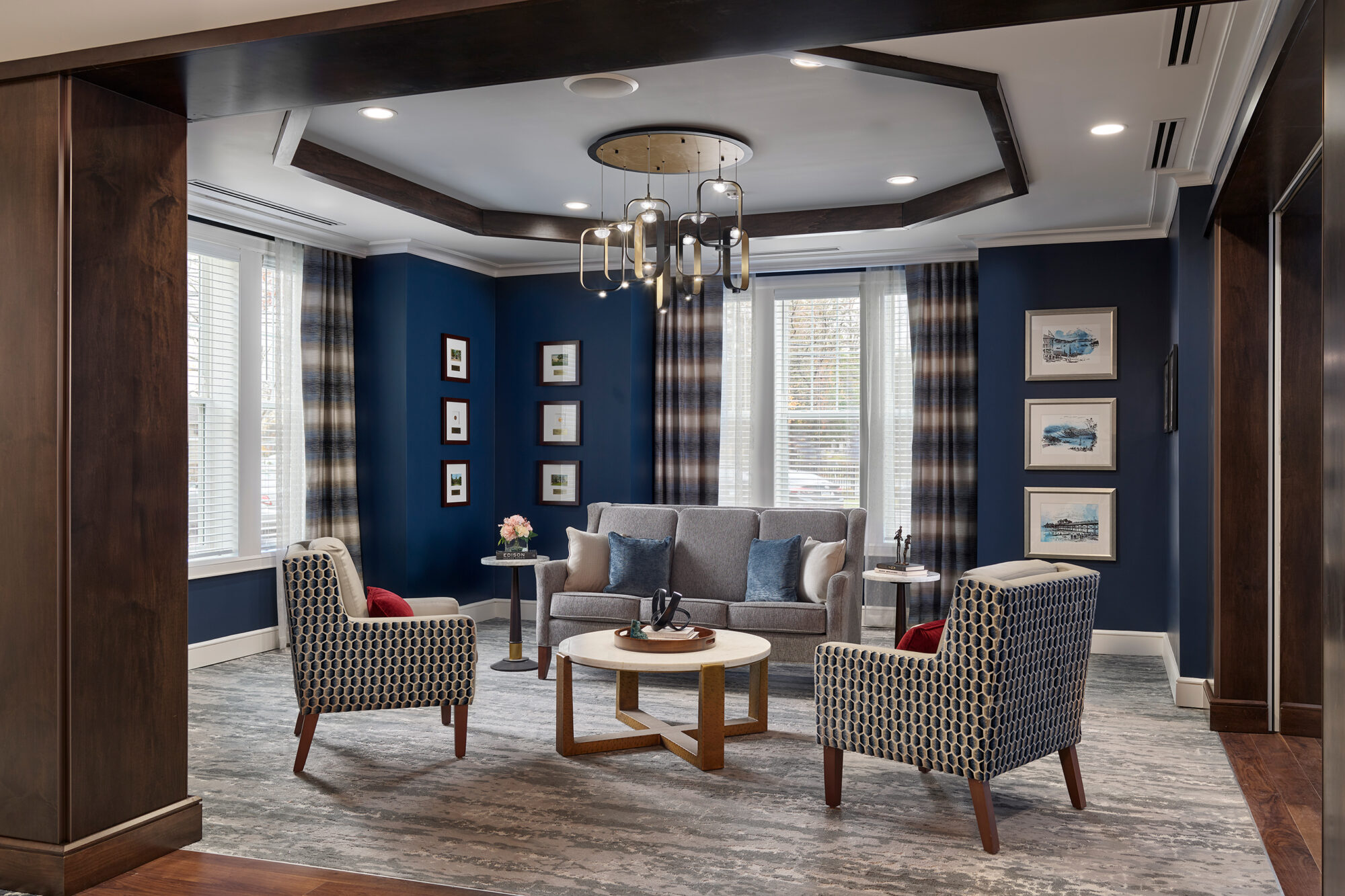
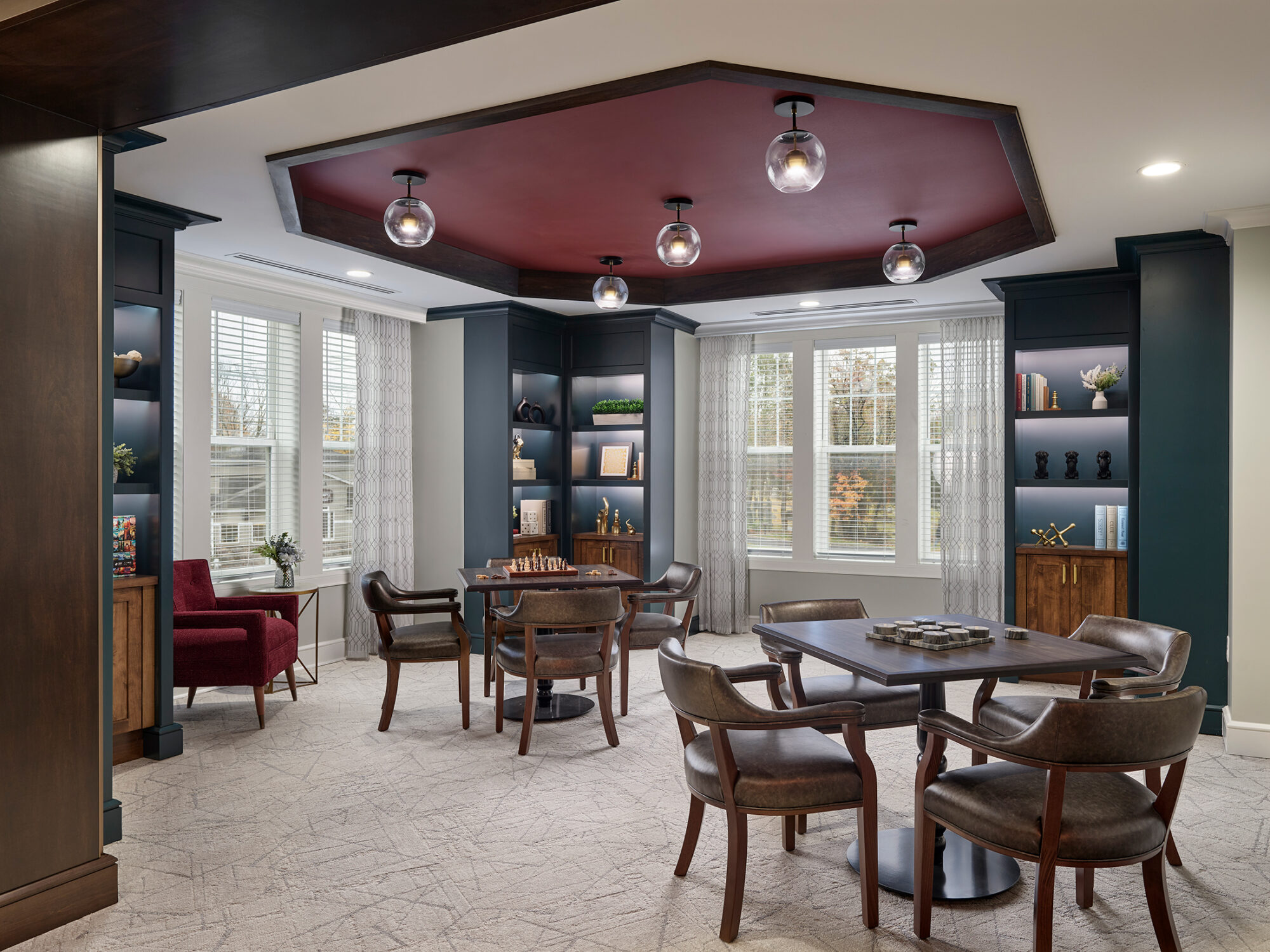
The interiors at The Chelsea at West Orange are guided by a balance of warmth, craftsmanship, and character. This was inspired in part by the legacy of innovation found at the Thomas Edison National Historical Park. Rather than relying on overt industrial cues, the design in certain locations interprets Edison’s influence through rich, grounded materials, layered textures, and a nuanced use of light.
Throughout the community, warm wood tones, deep accent colors, and soft neutrals are carefully composed to create spaces that feel refined yet approachable. Subtle metallic accents and tailored furnishings add depth and sophistication, resulting in interiors that are welcoming, timeless, and distinctly residential.
 Guiding Principles